



01
Search the site
Risk management with remotely sensed data: Key aspects
02
The role of location intelligence
03
Smart cards in risk management
Smart maps in risk management
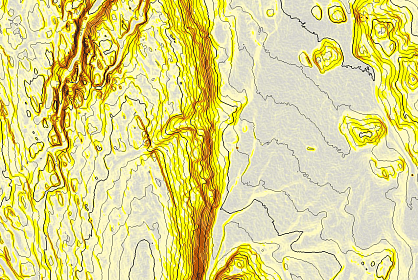
Using smart maps allows you to pinpoint areas of potential risk. Thanks to them, managers gain a deeper understanding of how to manage risks and ensure optimized communication at all stages of risk management.04
Data-driven risk assessment
The value of data-driven risk assessment
Data-driven risk assessment is a critical tool for leaders in today's uncertain environment. This methodology enables business and government leaders to make informed, evidence-based decisions, a key component of successful risk management.
Data-driven risk assessment process
Data collection
The process begins with the systematic collection of data on various risks, such as natural disasters, economic fluctuations, or geopolitical events. This process may include remote sensing data, sensor data, and information from other available sources.
Analyzing risk data
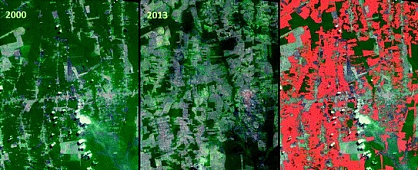
Once the data has been collected, a thorough analysis of the data follows. This includes identifying patterns, trends, and potential impacts of various risks on business processes or social structures. Remote sensing, for example, can provide valuable geospatial data to better understand risks.
Determining the efficient allocation of resources
Based on the analysis of these risks, strategies are formed to allocate resources efficiently. This may include reallocating capital, shifting personnel, or even changing the geographic focus of operations in response to certain risks.
Benefits of data-driven risk assessment
Accurate planning
Data-driven risk assessment provides accurate planning because decisions are made based on real data, not abstract assumptions.Loss reduction
The ability to analyze risk data enables managers to take precautions and implement measures to reduce losses, minimizing negative impacts on the business or society as a whole.Challenges and perspectives
Technological ChallengesThe use of modern technologies such as machine learning and artificial intelligence provides new opportunities to improve the accuracy of risk assessment.
Continuous Improvement
The data-driven risk assessment process requires continuous improvement and updating of methodologies to adapt to the changing nature of risks.05
Predictive analytics
06
Real-time data exchange
Real-time data sharing
The ability to share real-time data provides immediate insight into the assets, people and locations involved during emergencies. This significantly reduces response times and helps minimize potential losses.Location analytics technology to improve preparedness
Location analytics technology plays a key role in improving preparedness, response and stability in risk environments. It provides a holistic view of the situation, which is fundamental to effective risk management.Conclusion
The use of remotely sensed data for risk management provides today's leaders with the tools necessary to more accurately analyze, strategically plan, and effectively respond to variable conditions. Future prospects in this area include continued improvements in technology and methodologies to better manage a wide range of risks.Other articles
Need satellite imagery or help choosing the right data?
Describe your task, area of interest, and desired outcome. We will check data
availability, assess new acquisition options, and propose the optimal solution in terms of timelines, cost,
and quality.
Discuss the project
clients who trust us
25+ years in the geodata market


Need satellite imagery or help choosing the right data?
Describe your task, area of interest, and desired outcome. We will check data
availability, assess new acquisition options, and propose the optimal solution in terms of timelines, cost,
and quality.
Discuss the project
clients who trust us
25+ years in the geodata market