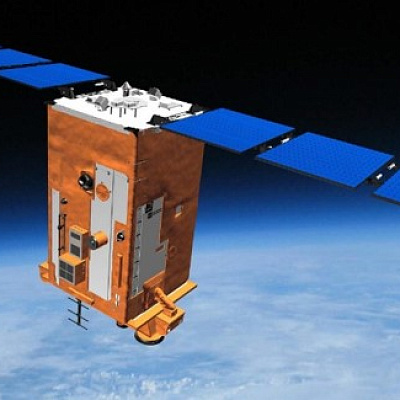

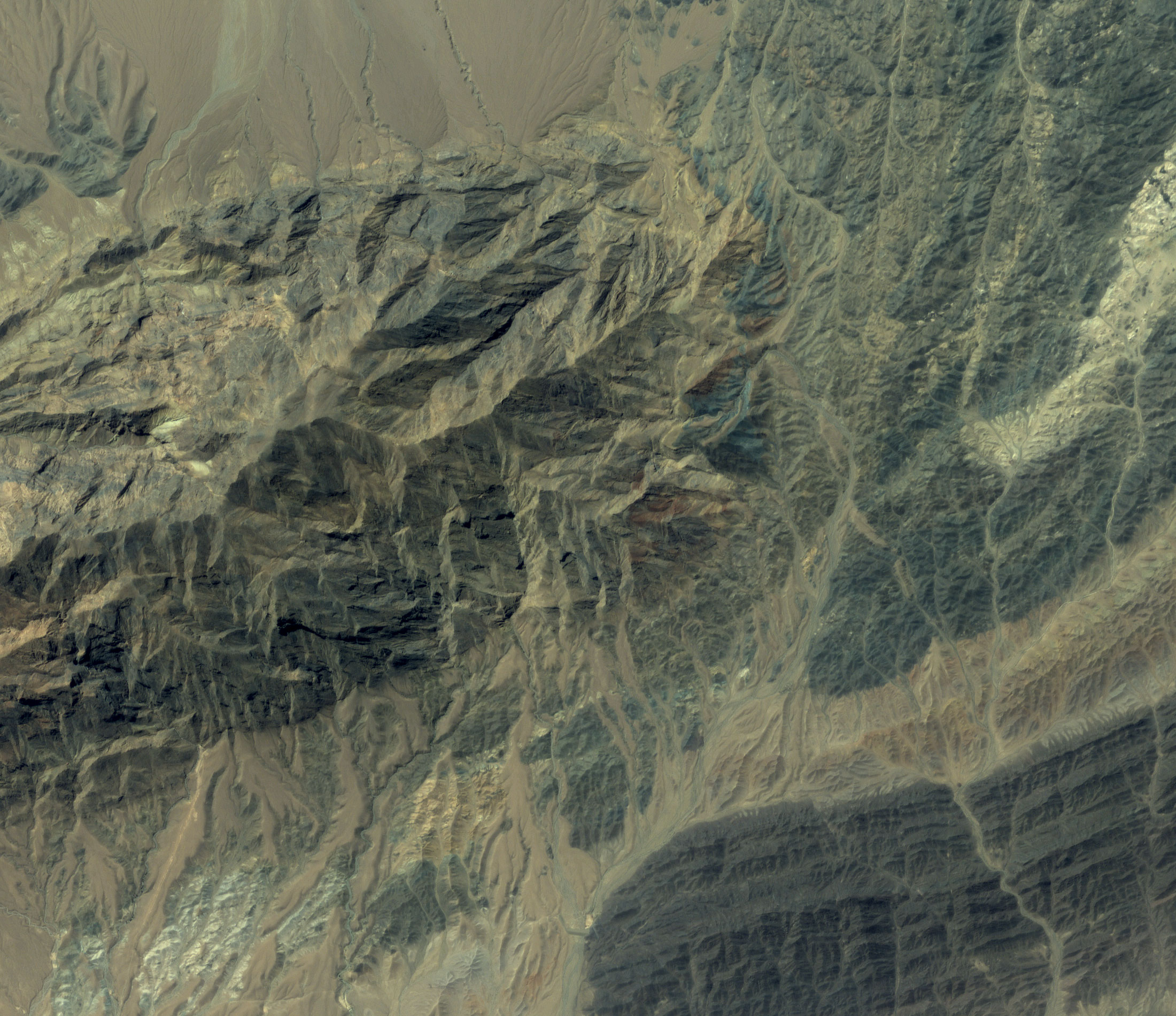
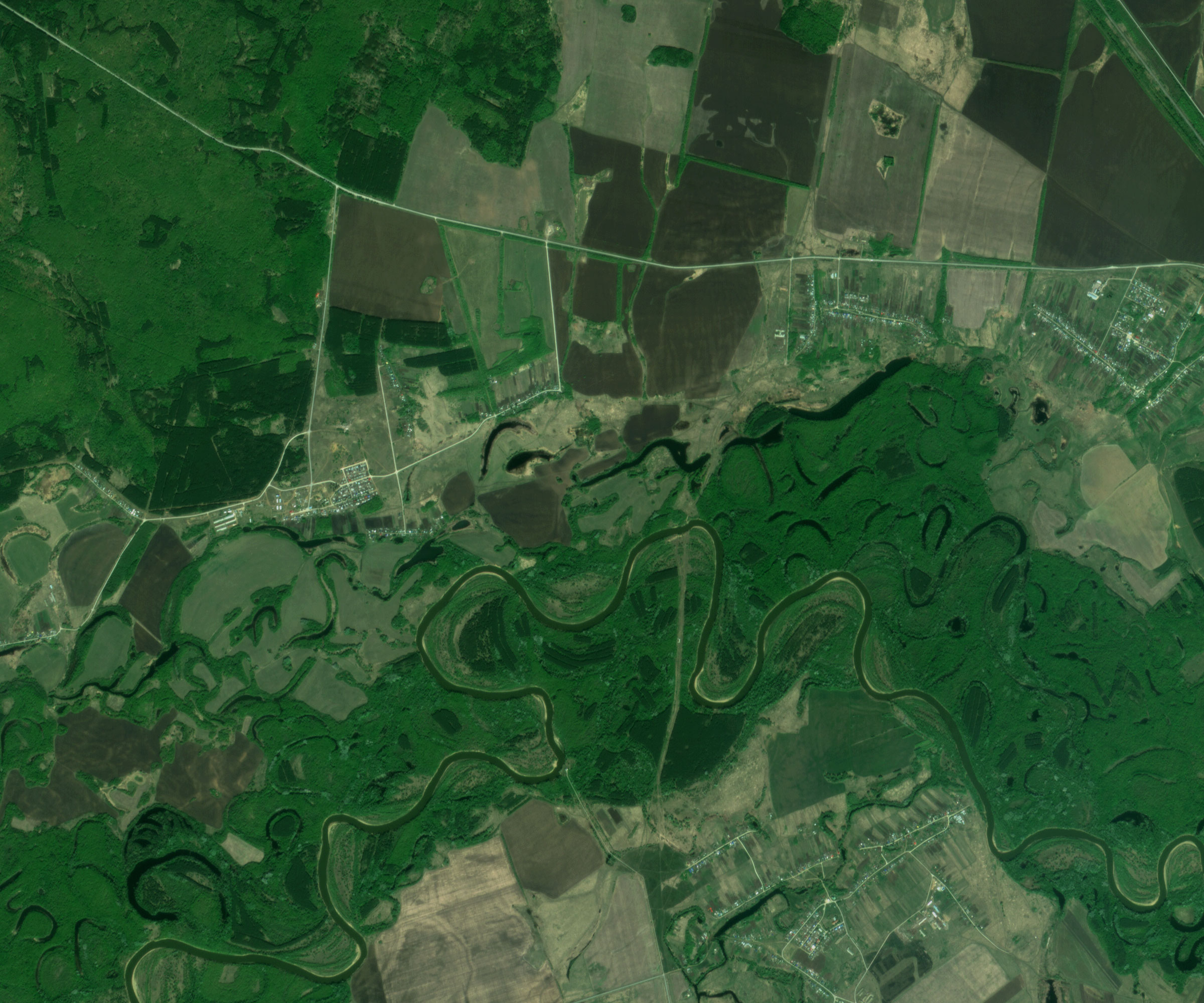
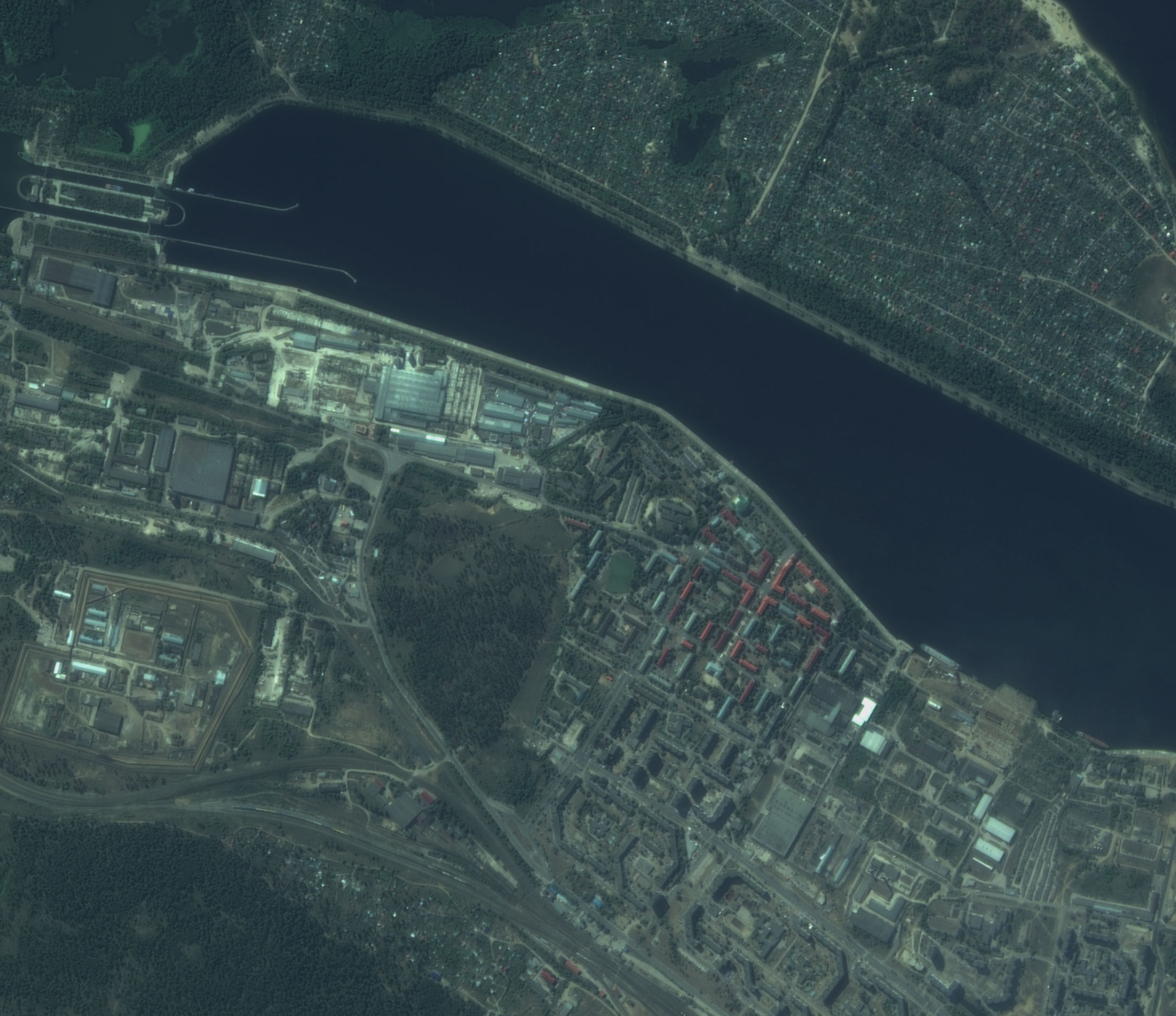

The experimental and technological small spacecraft Aist-2D was developed jointly by engineers of the Rocket Space Center “Progress” (RSC Progress) and Samara State Aerospace University (SSAU). The device is designed to perform the tasks of monitoring the earth's surface, as well as for scientific research.
Technical characteristics of the spacecraft imaging systemAist-2D
| Type of shooting | Optical |
|---|---|
| Shooting modes | Mono |
| Number of channels | 4 |
| Channel set | PAN+RGB+NIR |
| Permission on the ground PAN, m | 1.48 |
| Permission on the ground MS, m | 4.4 |
| Permission on the ground, m | 122,5 (NIR) |
| Dynamic range, bits/pixel | 10 |
Characteristics of the space satellite
| Operator | Progress Rocket Space Centre JSC |
|---|---|
| Operating country | Russia |
| Launch date | 28.04.2016 |
| Mission completion date | Mission active |
| Mass of the spacecraft | 531 |
| Orbit type | Sun-synchronous |
| Orbital altitude | 490 |
| Service life | 3 |
| Type of shooting to order | Archive/New tasking |
| Availability of samples | Yes |
Description of the satellite Aist-2D
The Aist-2D satellite is designed to carry out remote sensing tasks, including environmental monitoring, digital mapping and agricultural and forestry applications.It was launched on 30 July 2021 with a Soyuz 2.1b rocket from the Baikonur launch site. The launch was carried out by Roskosmos.
The satellite is located in a sun-synchronous orbit (SSO) about 600 kilometres above the ground.
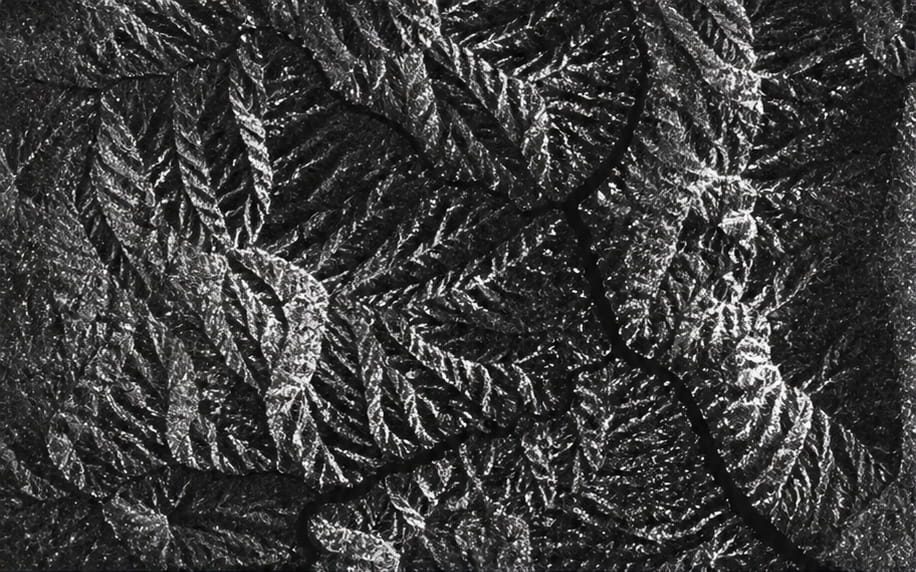
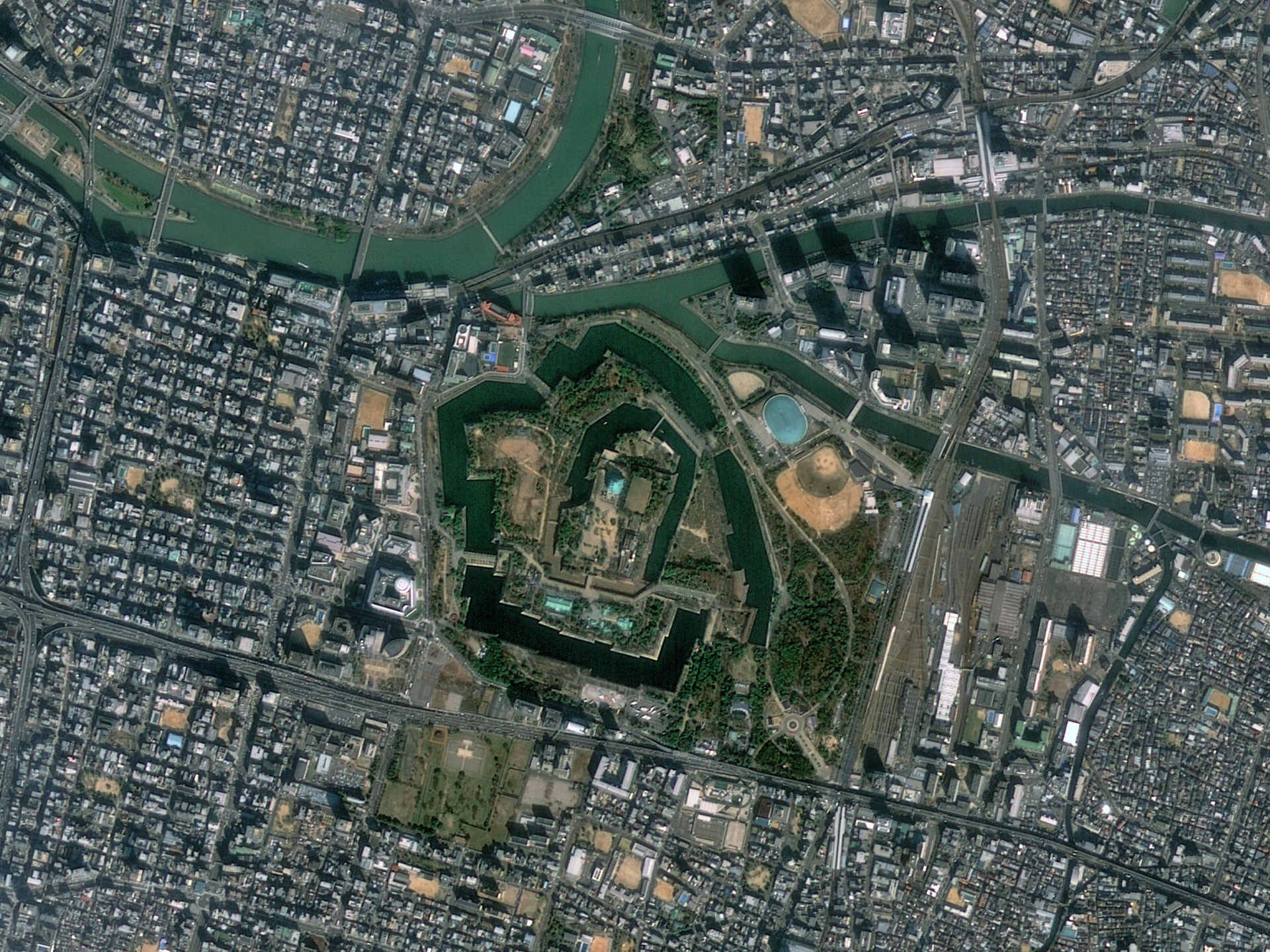
Aist-2D has the ability to obtain images with resolution of up to 1 m on multispectral channels and up to 4 m on a panchromatic channel, allowing detailed mapping and monitoring of changes on the ground surface.
The satellite operates in visible and infrared spectral ranges, allowing for data on various natural and man-made objects on Earth.
Aist-2D features include high positioning accuracy and stability of work under different conditions. It is designed to provide long service and reliable data to users.
The designer of the Aist-2D satellite is the RCC Energy, led by Roskosmos.