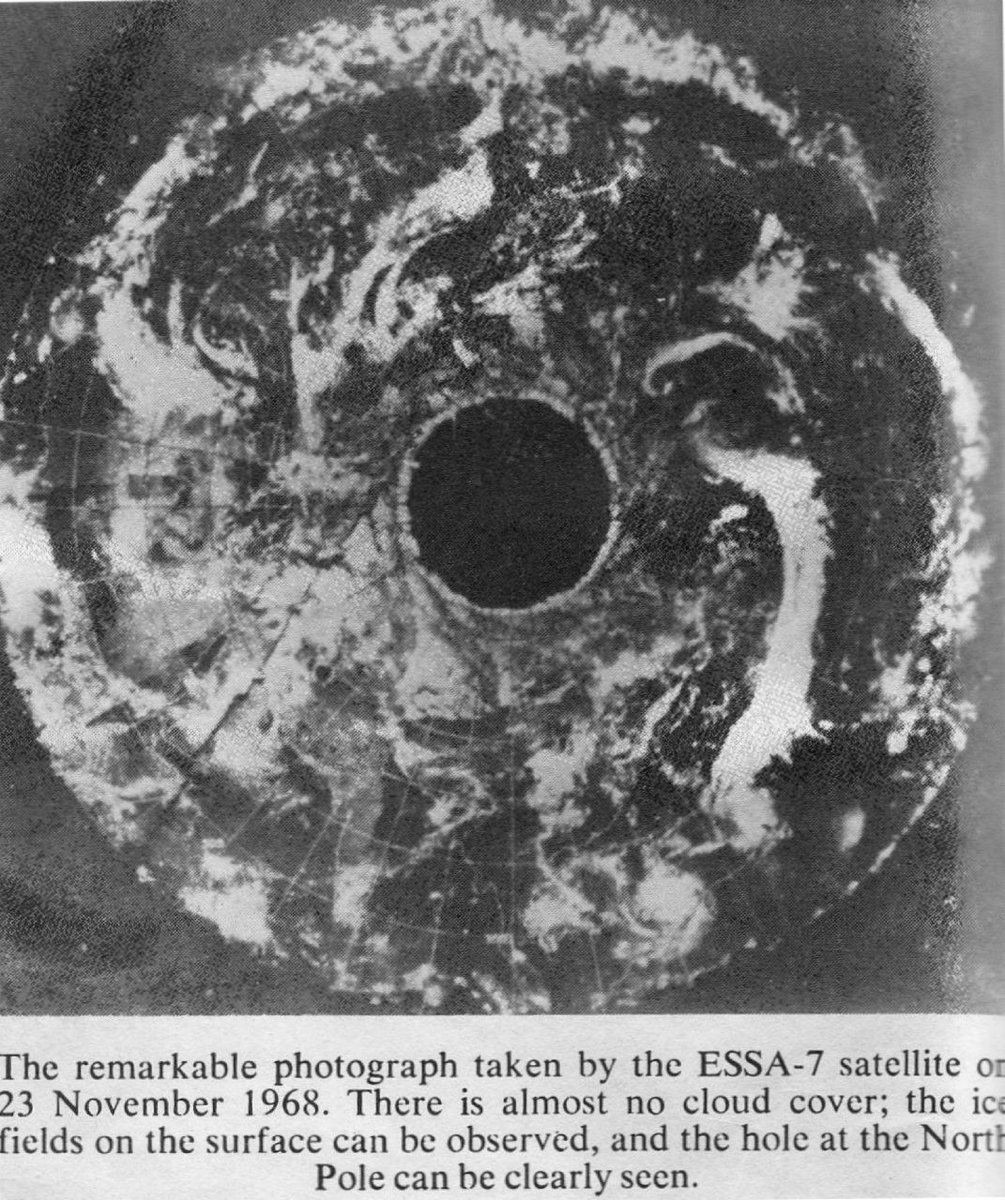
The first attempt to explore the North Pole of the Earth was made in the early 17th century by Englishman Henry Hudson. The interest to this region was conditioned by the search of the shortest way from Europe to China. However, at the eastern coast of Greenland the way to the north of the explorer was blocked by ice. The first to reach the North Pole, and their achievement was not questioned, were the members of the Soviet high-latitude air expedition "Sever-2". The expedition was led by Alexander Kuznetsov, head of the Glavsevmorput, and the participants were Pavel Gordienko, Pavel Senko, Mikhail Somov, Mikhail Ostrekin and others. On April 23, 1948, flying on three planes from Kotelny Island, they landed practically on the point 90°00'00" north latitude. Later, the North Pole was explored repeatedly, arriving both by air and by sea.
Official discovery of Antarctica
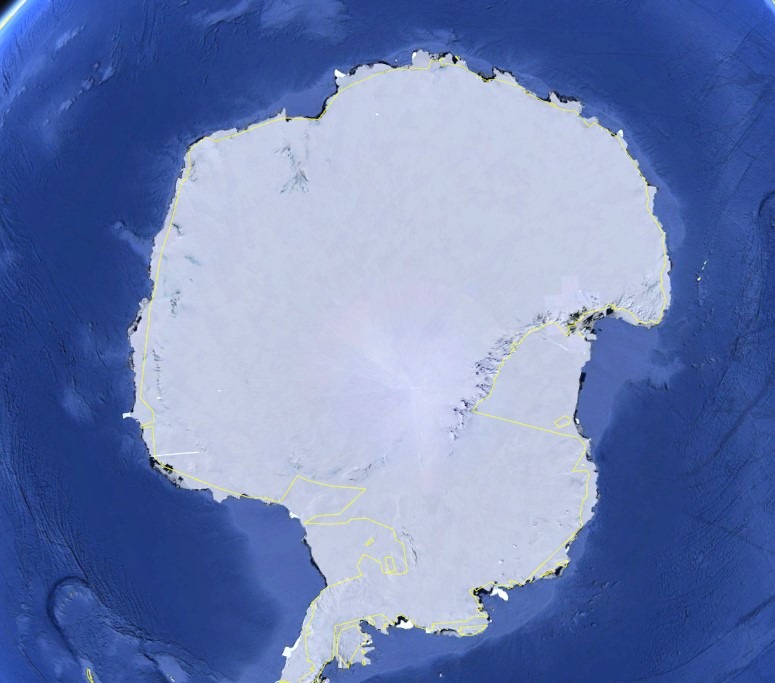
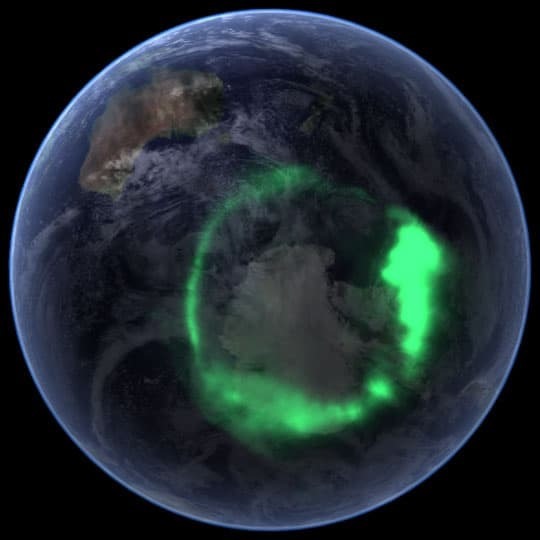
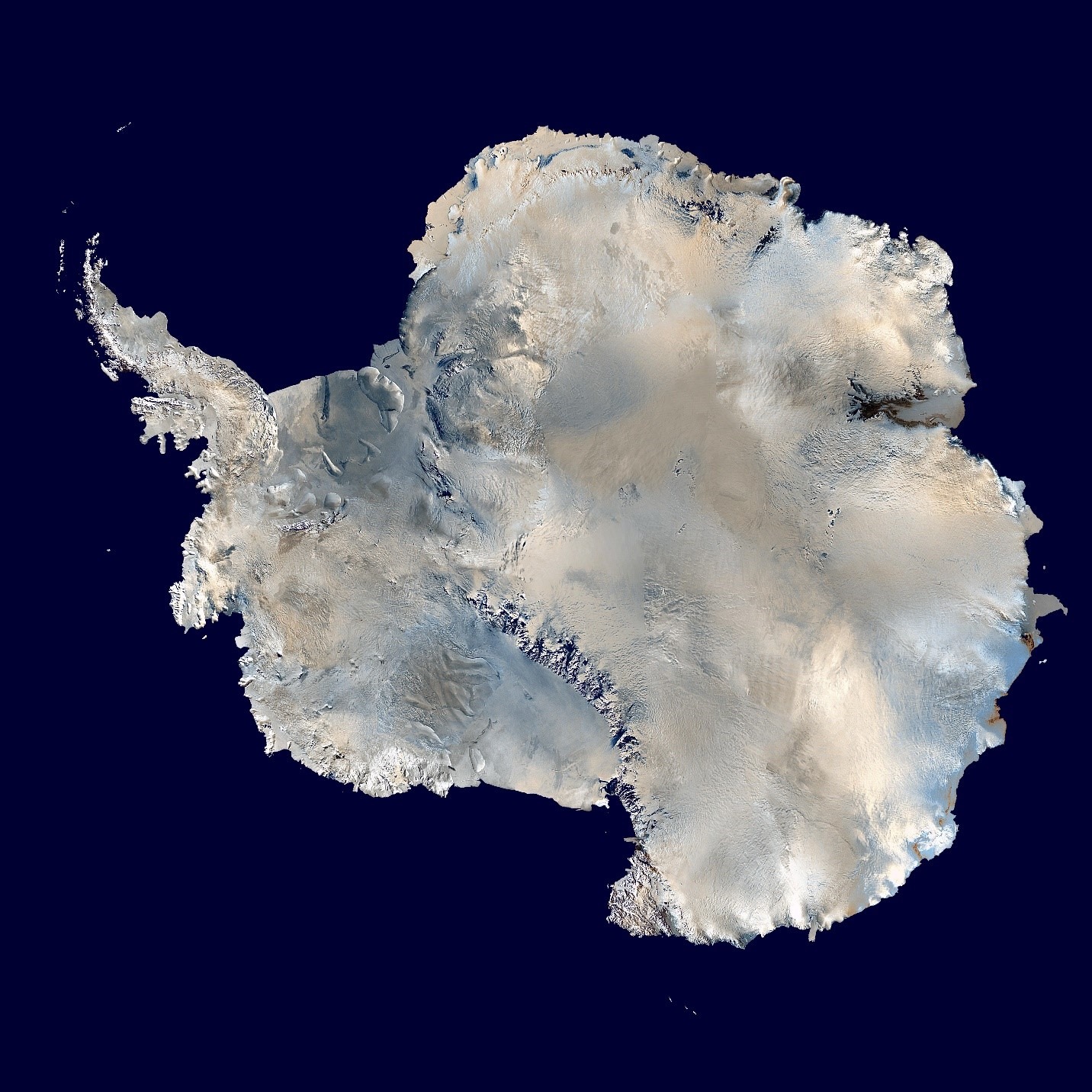
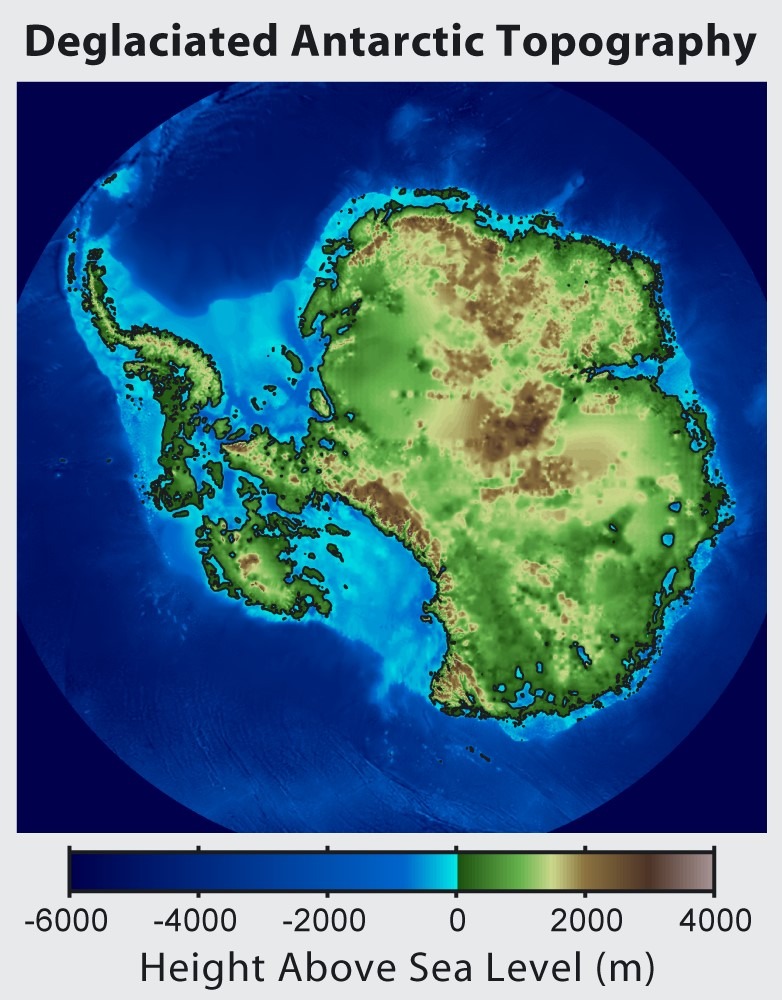
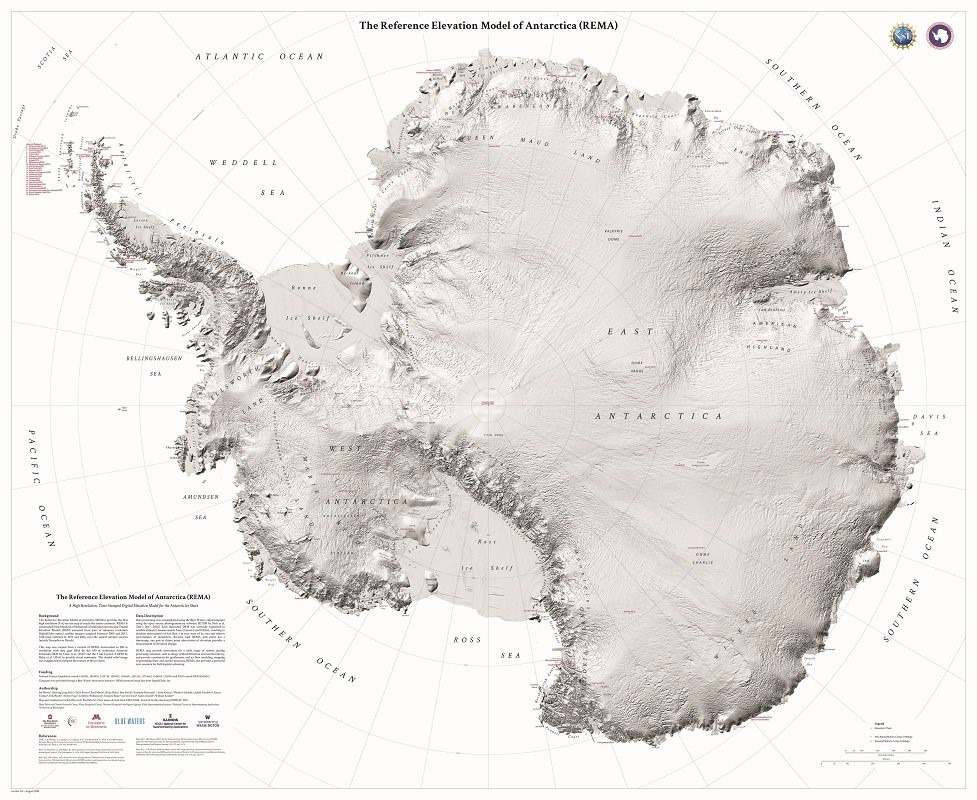
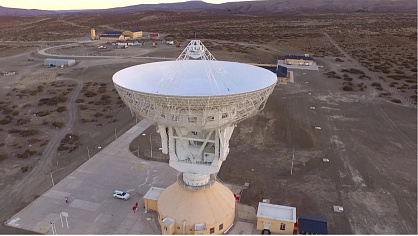
The first people who officially discovered Antarctica and set foot on its "land" were our compatriots Thaddeus Bellingshausen and Mikhail Lazarev. As part of the expedition to the South Pole of the Earth, he and his team first reached the shores of Antarctica. However, the outline of the continent and its geology remained under a veil of mystery for many years after the discovery. After that, many scientists made attempts to reach the south pole of the Earth and each made some contribution to the study of the continent. However, it was the Norwegian Roald Amundsen with 5 satellites on December 14, 1911 after a 2-month grueling trek was able to reach the extreme mark of 9000'00" south latitude. It is noteworthy that almost simultaneously with them tried to reach the South Pole Robert Scott and his team. And they succeeded, but alas, only a month after the completion of the expedition of Rual Amundsen. Subsequently, the study of Antarctica and the South Pole, in particular, were engaged in many expeditions. Now there is a permanent station at the South Pole and even a telescope for astronomical research has been built.