Main pipeline transportation
The oil and gas sector is a complex and multi-level system of interactions between various human activities. It may seem that the difficulties are only related to the extraction of natural resources, but the transportation of gas and oil products is no less important and an integral process of the oil and gas sector, as to utilize the benefits of hydrocarbon fuel, the products must first be delivered to processing and end-use locations.
Currently, oil and gas transportation is carried out in various ways, including by rail and water transport. However, pipelines remain the most cost-effective, safe, and environmentally friendly solution.
There are two main types of pipelines, depending on their length and the tasks they solve:
1. Trunk pipelines transport oil and petroleum products over tens of thousands of kilometers both within Russia and beyond. Delivery occurs from production or extraction sites to end points, industrial enterprises for additional oil processing, or transport hubs.
2. Field pipelines serve to transport oil from the extraction site to the main storage location.
Trunk Pipeline Transport
Trunk pipeline transport plays an important role in the fuel and energy complex (FEC) and is significant for the economic state of the country. In our country, an extensive network of trunk oil pipelines with a total length of over 72,000 km has been created, passing through the territories of most subjects of the Russian Federation. About 90% of the oil produced in the country is transported through them.
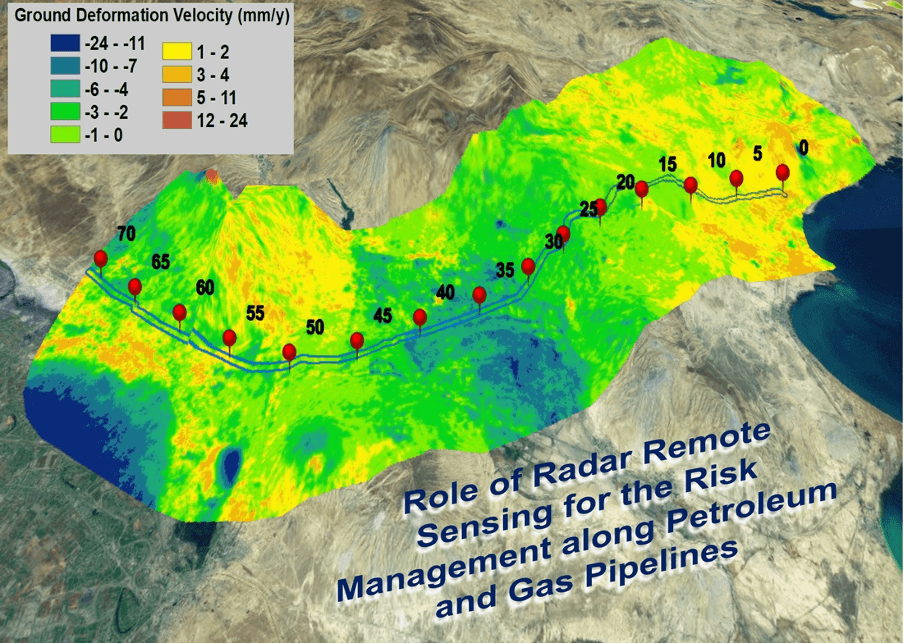
For the effective operation of any system, including pipelines, constant monitoring of functionality and integrity is necessary. The vast length, routing through different climatic zones, and remote locations significantly complicate the maintenance and monitoring of pipeline conditions. Therefore, to avoid economic losses, accidents, and malfunctions, methods of remote monitoring of pipeline conditions must be applied.
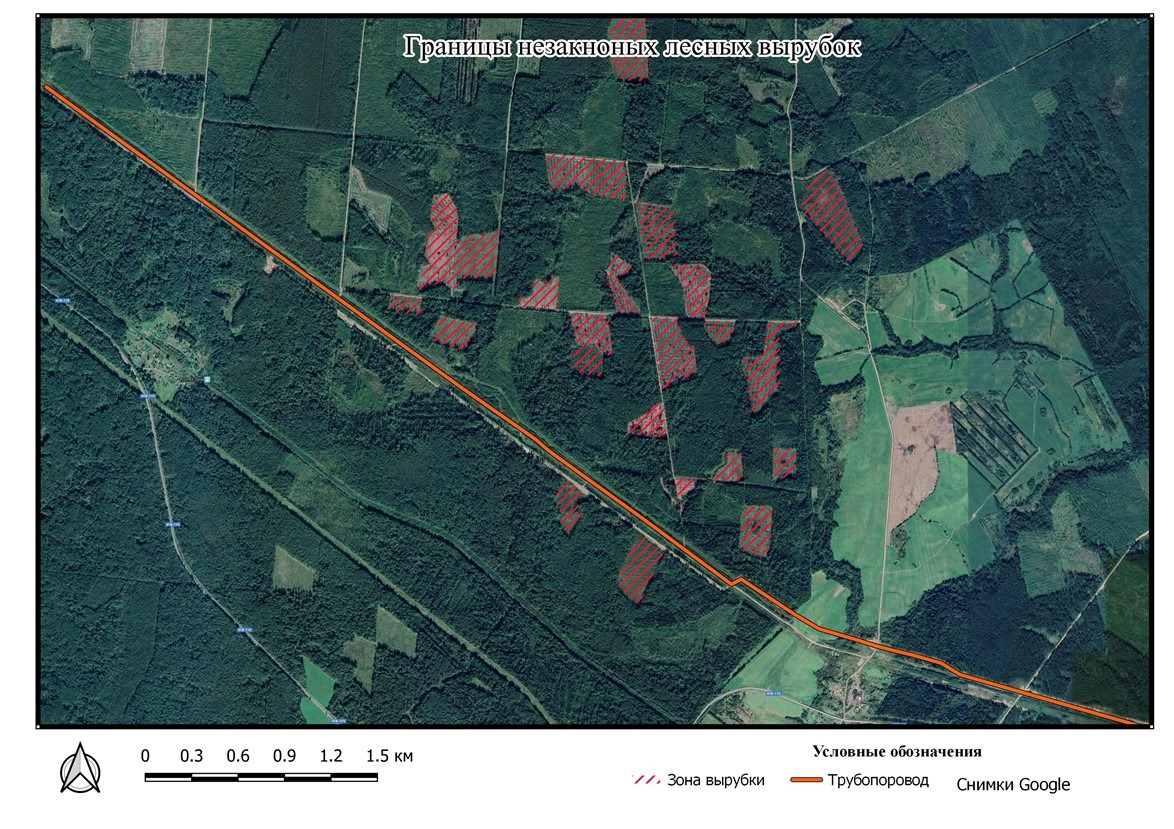
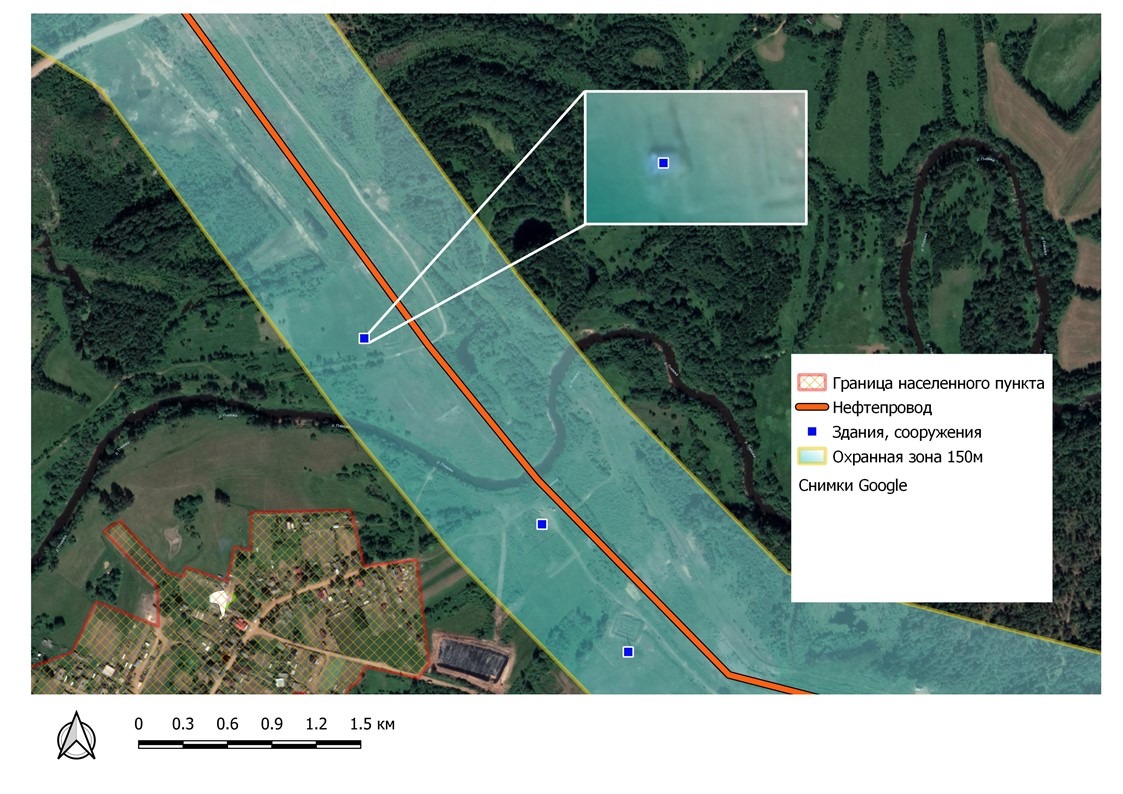
The causes of pipeline malfunctions can be both internal and external. To prevent and eliminate internal problems, special equipment and chemical agents are used: specific pressure sensors, anti-corrosion additives, and infrasound monitoring systems. External factors affecting the integrity of pipelines need to be monitored remotely. For the preservation of pipelines, withdrawal zones (50 m) and protective zones (up to 500 m) have been designated. In the withdrawal zones of the pipeline, any activity is prohibited, such as unauthorized logging, mineral extraction, and even construction. Along the pipeline route in forested areas, sanctioned logging is carried out so that trees cannot fall and damage it. The preservation and inviolability of withdrawal zones are as important as the preservation of the pipeline itself because "prevention is easier than correction."
Remote Monitoring of Pipeline Condition
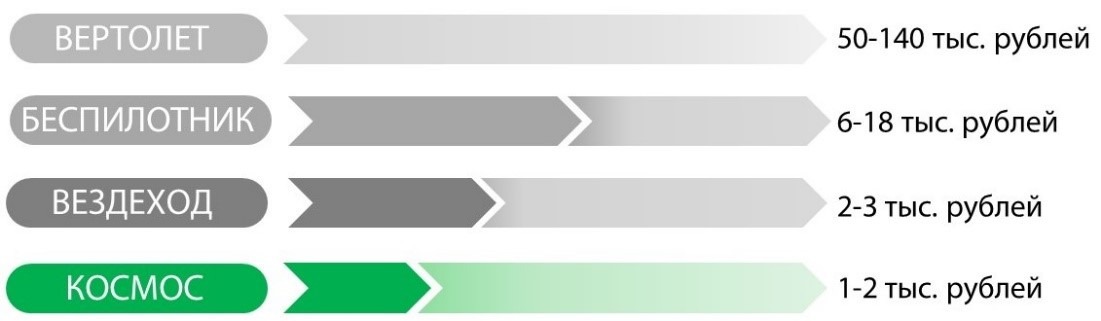
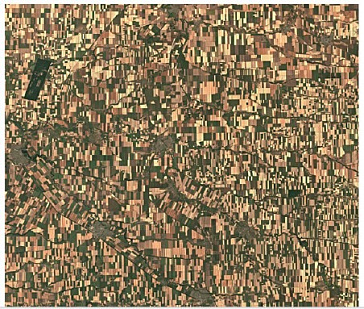
Remote monitoring of pipeline condition is currently carried out by manned aviation (helicopter and airplane) and high-passability vehicles. These traditional methods are not only labor-intensive but also very expensive. They have been replaced by more cost-effective remote monitoring methods — unmanned systems and satellite imaging. Unmanned aerial vehicles (UAVs) have certain advantages in terms of ultra-high spatial resolution, but their use still requires the physical presence of specialists on-site, leading to additional costs. Moreover, UAVs are not yet suitable for prolonged use in severe cold conditions, so the operator sometimes has to be personally present in harsh environments. With satellite pipeline monitoring, it is sufficient to have only computer access.
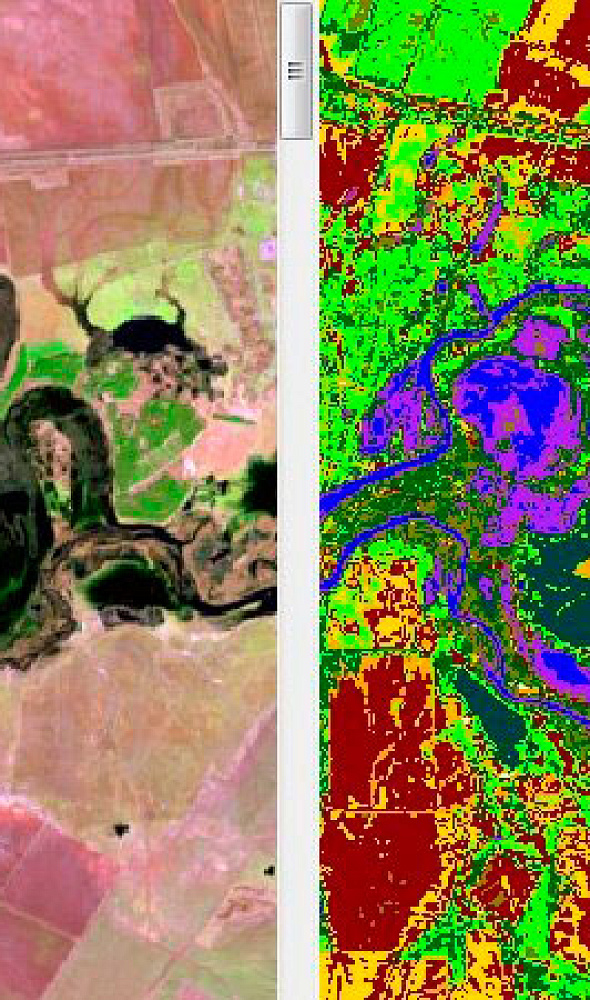
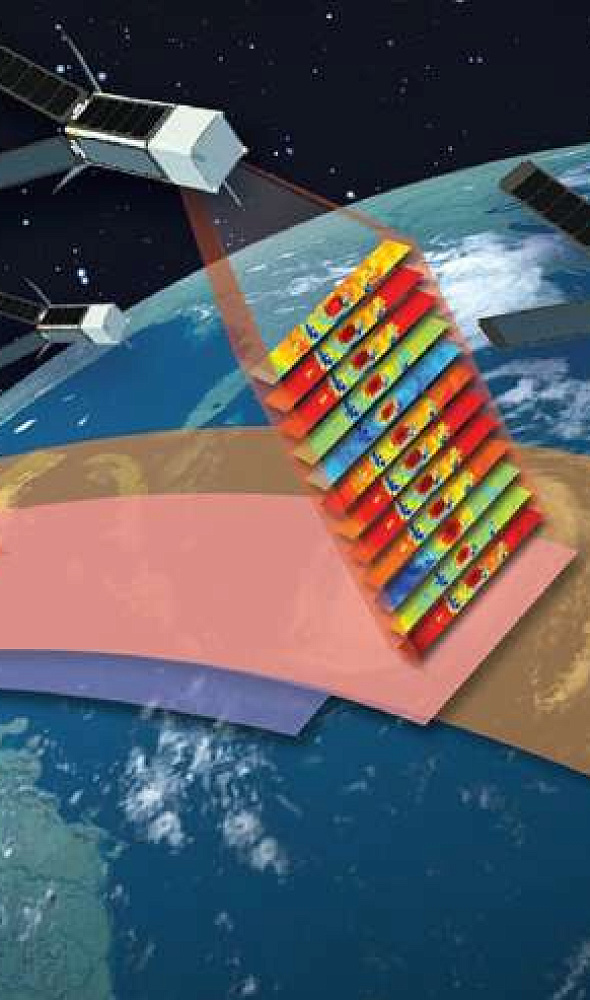
The most modern monitoring method is combined, where satellite images in a wide range of electromagnetic waves are used in the first stage. Based on the interpretation and detection of anomalies in the pipeline route, decisions are made on local UAV imaging, allowing for simultaneous planning of work to eliminate violations or damage to the pipeline or the surrounding environment.
Satellite imaging is the cheapest, and the quality of data is only slightly inferior to images from most unmanned systems (30 cm versus 20 cm). Figure 1 shows the cost of one hour of pipeline monitoring using various means.